Odor-control additives
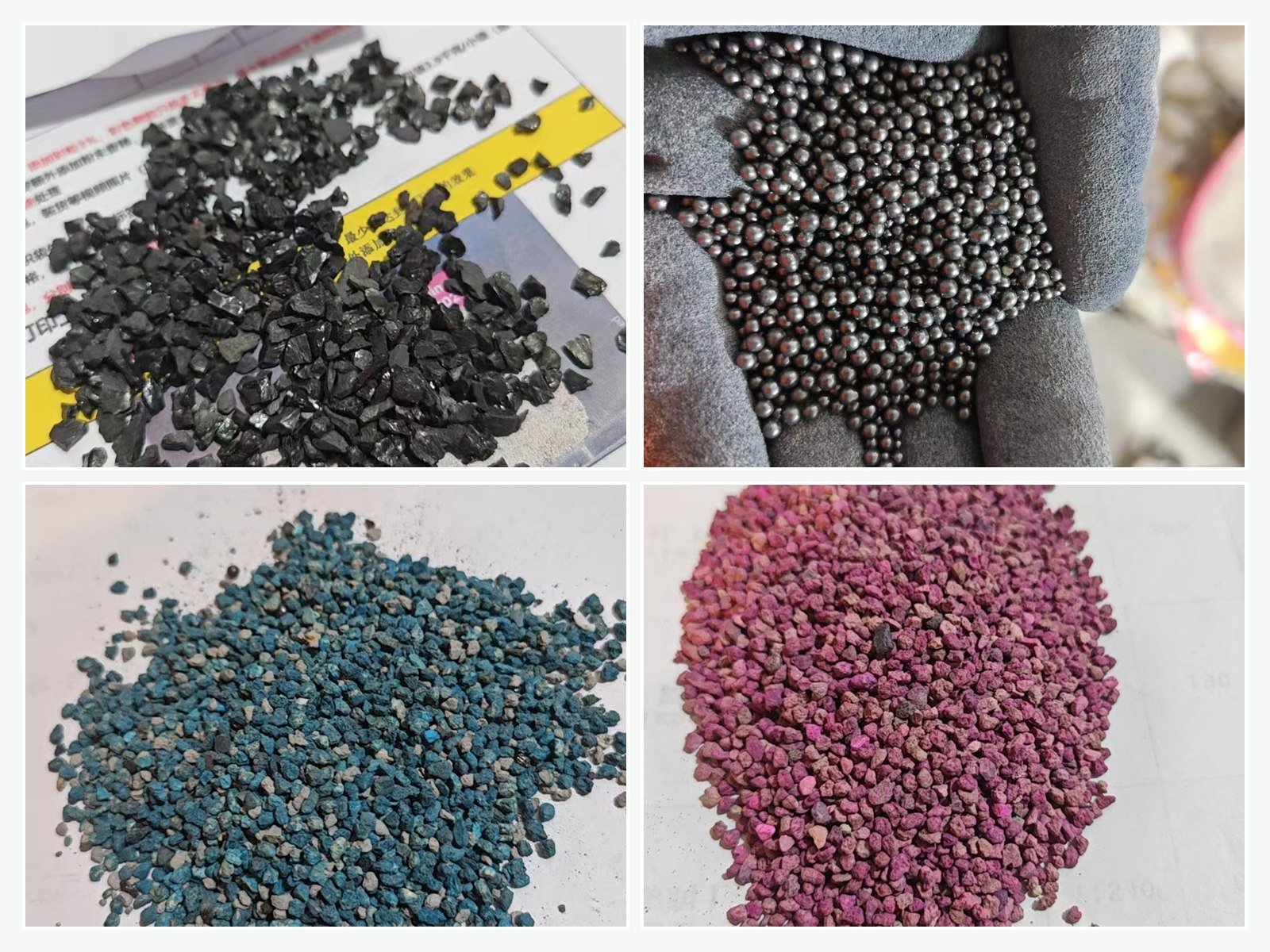
Carbon, zeolite, carbon balls, and mineral mixed particles help shape product positioning without making the formula scented by default.
Compare activated carbon, zeolite, carbon balls, and odorless mixed bentonite formulas for cat litter smell control from a factory sourcing view.
For Bentonite Cat Litter Malaysia and pasir kucing bentonit products, visible mineral additives, activated carbon, zeolite, carbon balls, and unscented mixed particles can be used to create formula difference. Fragrance is a separate choice. Malaysia buyers can confirm low-scent, unscented, or retail scented options after sample testing.
Carbon, zeolite, carbon balls, and mineral mixed particles help shape product positioning without making the formula scented by default.
Lavender, baby powder, lemon, coffee, apple, green tea, or low-scent directions can be discussed only after the base litter performance is accepted.
Local search terms are included naturally, but sample testing and quotation details remain in English for factory communication.
cat litter smell - Short answer: choose the odor-control mix by the odor problem, product grade, and selling channel. Activated carbon or crushed carbon is usually chosen for ammonia-style odor adsorption, carbon balls and carbon crystal balls are used when the buyer wants a cleaner premium visual, zeolite supports a mineral odor-control story, and colored mixed particles can create formula differentiation. Fragrance is a separate choice; the mixed additives themselves are odorless.
In our factory work, cat litter smell is not solved by fragrance alone. The base litter still needs fast water absorption, firm clumping, low dust, stable moisture control, and a bag that protects the formula during storage and export. Mixed additives and fragrance should be confirmed as two different formula decisions.
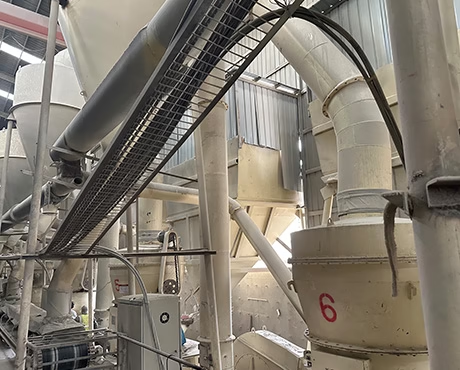
LINGSHUAI writes global wholesale and export purchasing content from factory production experience, keeping market claims general unless a target market is selected.
| Formula option | Buyer value | Factory note |
|---|---|---|
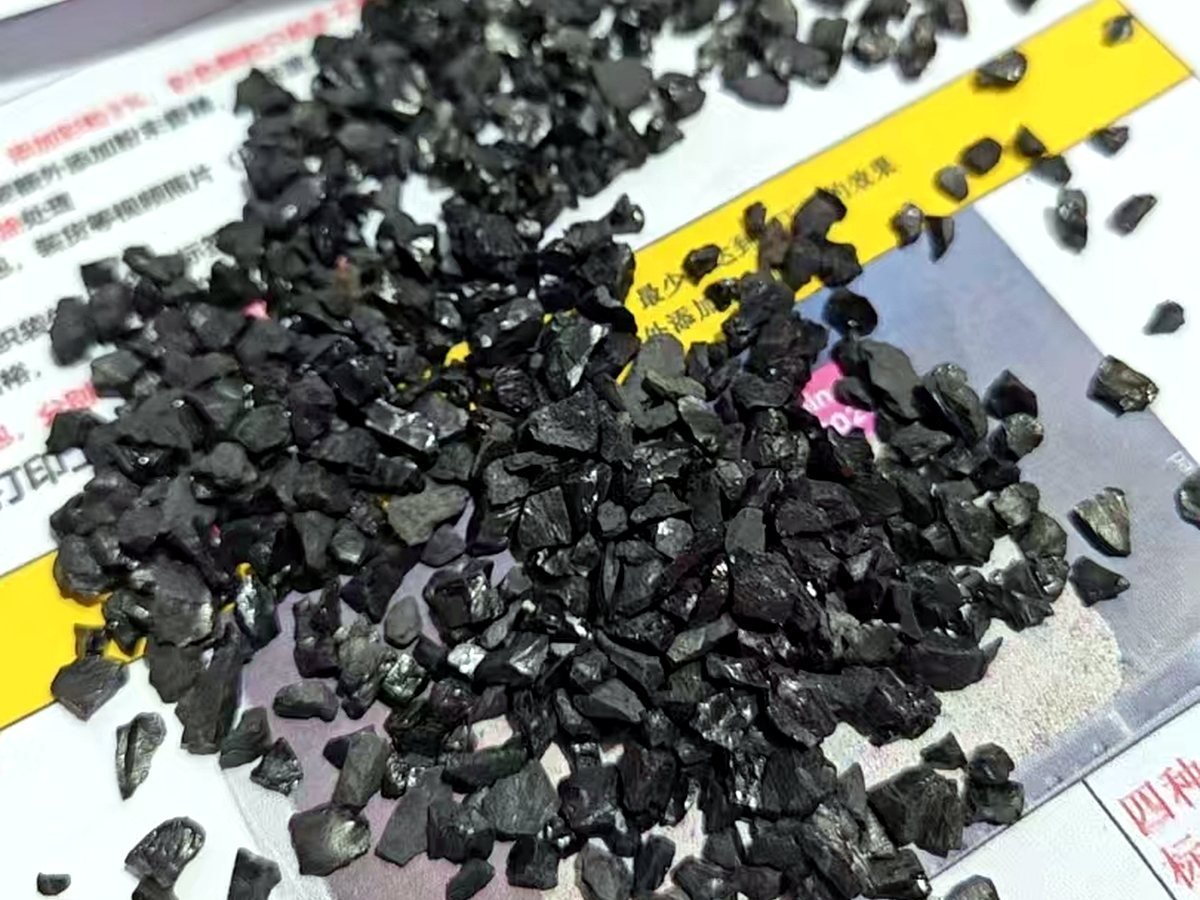
| Activated carbon granules | odor-control positioning, visible black carbon particles for product differentiation | Use for deodorizing and odor-control product pages., Avoid exact performance claims such as percentage odor removal unless supported by test data. |
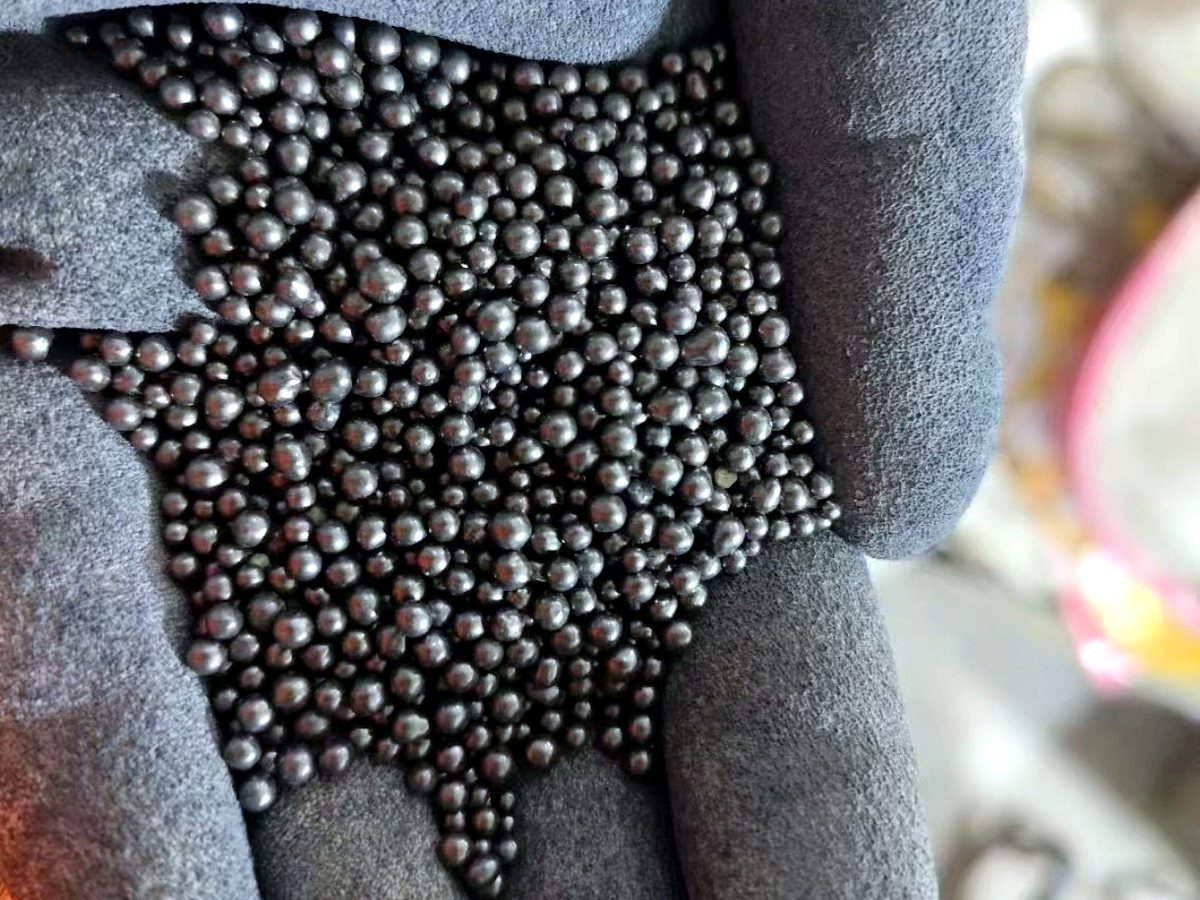
| Carbon crystal balls | premium visible additive for high-end product lines, more uniform visual presentation than crushed carbon | Use 'carbon crystal balls' or 'carbon deodorizing balls' as product naming, but avoid implying crystal/silica cat litter., Explain that it is an additive inside bentonite litter, not a separate litter type. |
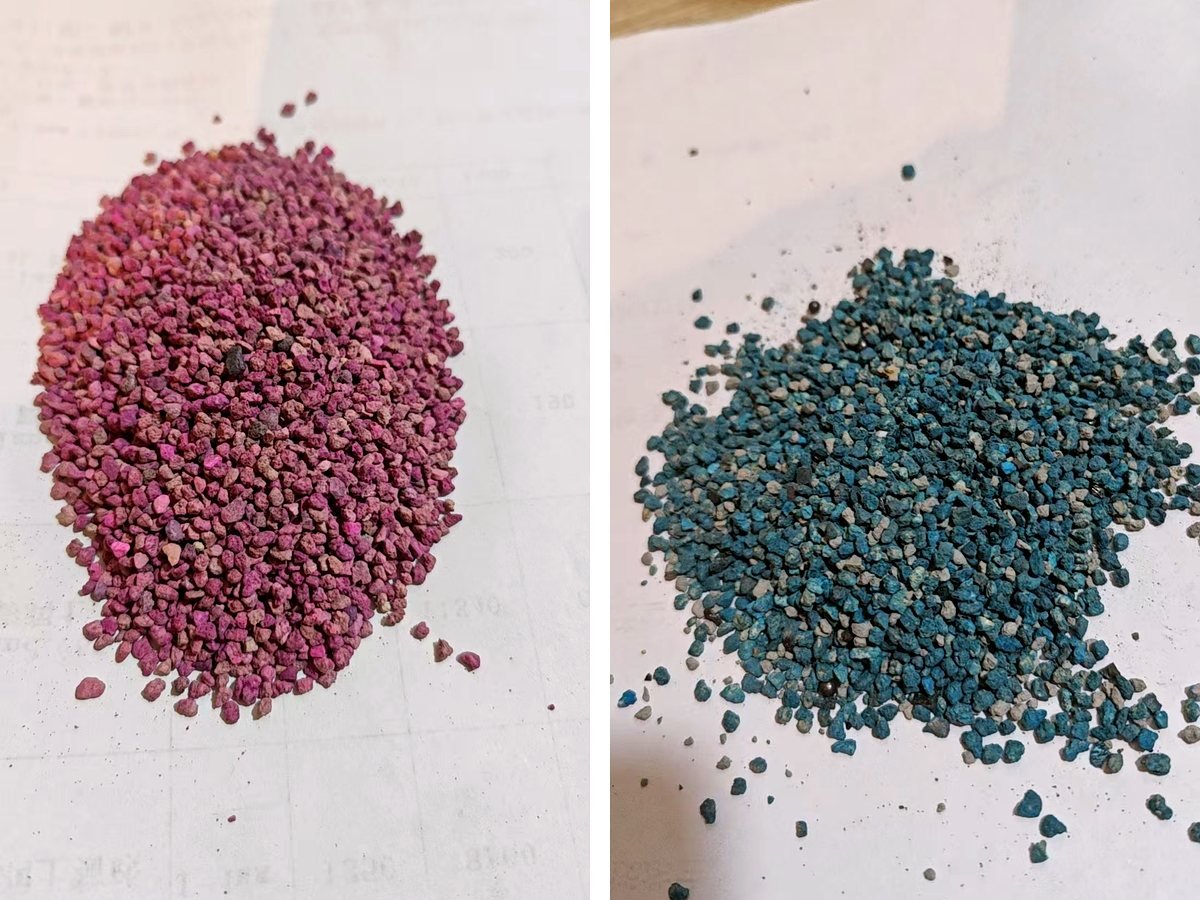
| Blue zeolite granules | mineral deodorizing concept, visible color contrast in white or grey bentonite litter | Use as mineral additive wording., Avoid medical or antibacterial claims unless supported by testing. |
Most cat litter smell comes from wet urine, ammonia build-up, feces, trapped humidity, and litter that breaks apart during scooping. A strong scent can cover the smell for a short time, but it does not replace absorbency, clumping strength, dust control, or regular cleaning.
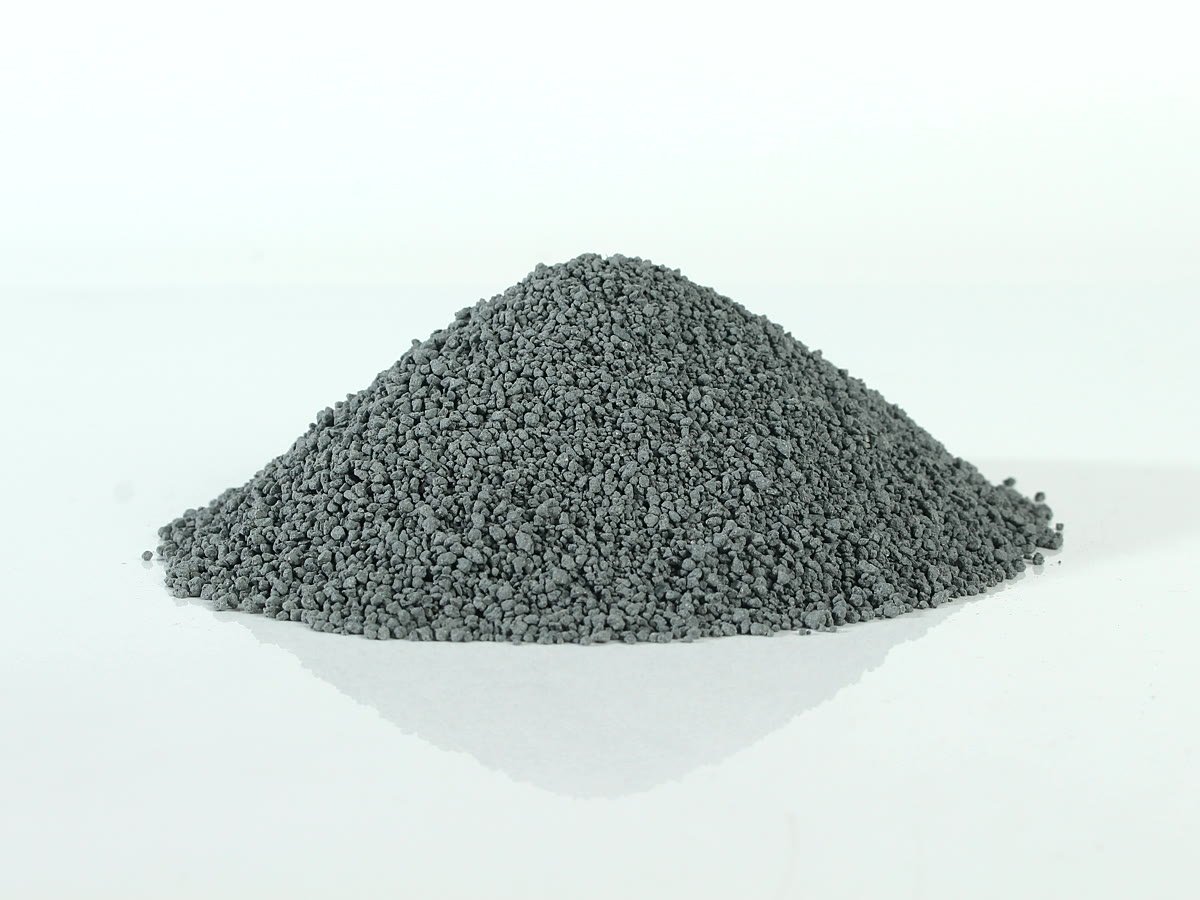
Activated carbon granules are a common option for odor control cat litter because the black particles are easy to recognize in product photos and buyer samples. They fit standard and premium bentonite formulas where the buyer wants a clear deodorizing message without relying only on scent.
Carbon balls and carbon crystal balls are selected when the buyer wants a cleaner, more premium-looking additive. The round dark particles look more uniform than crushed carbon and work well in close-up packaging photography. They should be described clearly as additives inside bentonite cat litter, not as silica crystal litter.
Crushed carbon uses irregular grey-black particles blended with bentonite. It is useful when a buyer asks for charcoal cat litter in the sense of a carbon-mixed bentonite formula, especially for wholesale or standard retail products where cost control matters.
Blue or pink zeolite granules can help a formula look more mineral-based and differentiated. This direction is useful when the buyer wants visible color contrast but does not want to make the whole product feel heavily perfumed.
Mixed additives such as carbon, zeolite, carbon balls, mineral particles, and colored visual particles are normally odorless. They are used to adjust the formula story, product appearance, odor-control direction, and retail differentiation. Fragrance is added separately only when the buyer wants a scented product line.
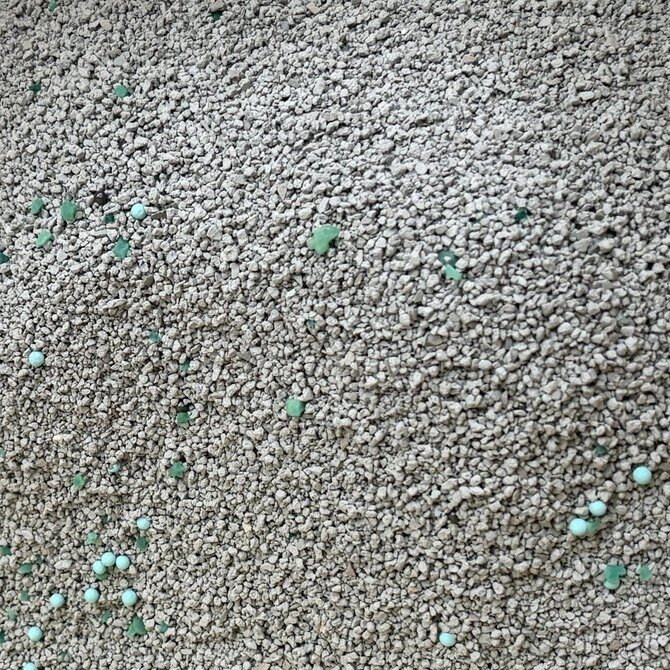
Before selecting the final deodorizing direction, test the sample as a complete product. A good formula should control odor while keeping clumps firm, dust low, granules comfortable, and packaging practical for the selling channel.
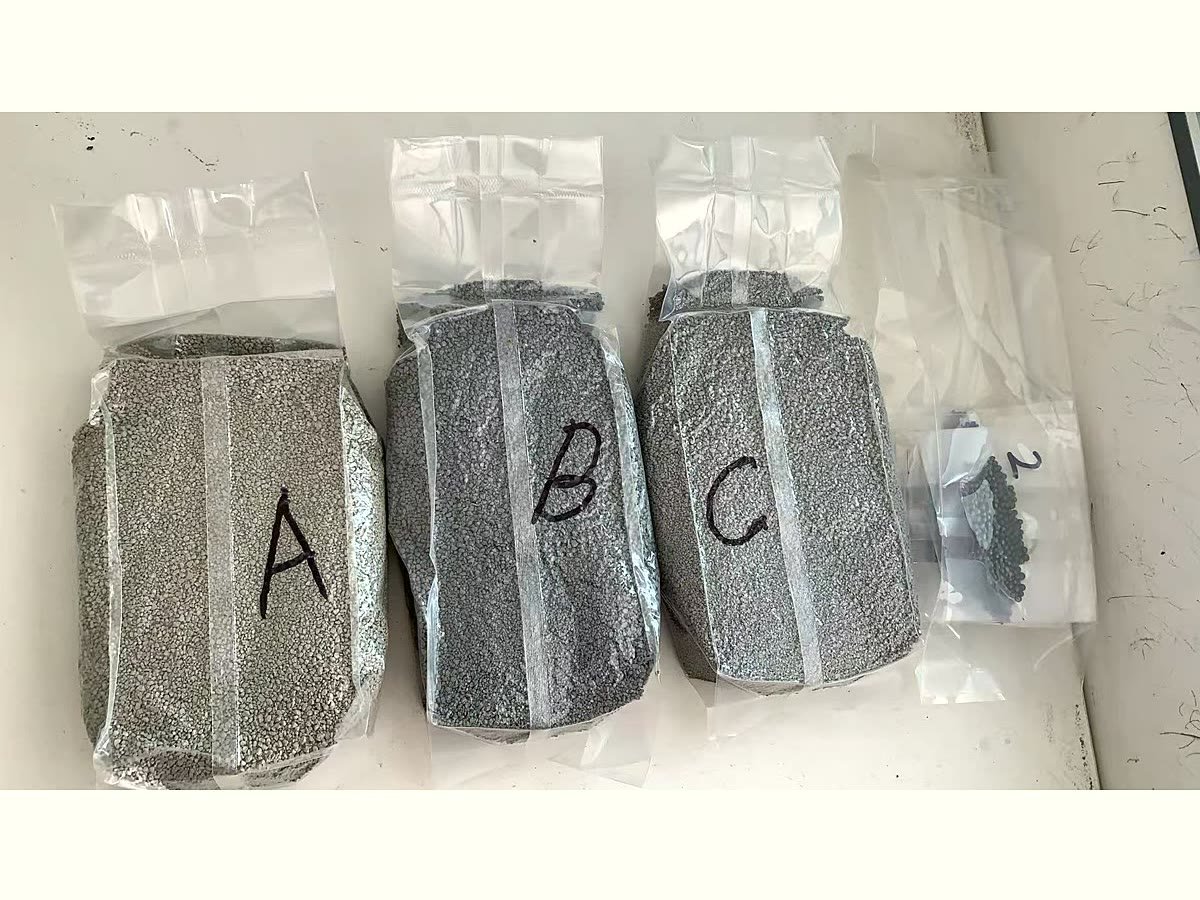
LINGSHUAI can help buyers combine different bentonite cat litter bases with odorless mixed additives. These product examples show how carbon, zeolite, mineral particles, and carbon balls can create visible formula differences for retail, wholesale, and private label channels.
A carbon-mixed bentonite direction for buyers who want a clear odor-control visual signal.
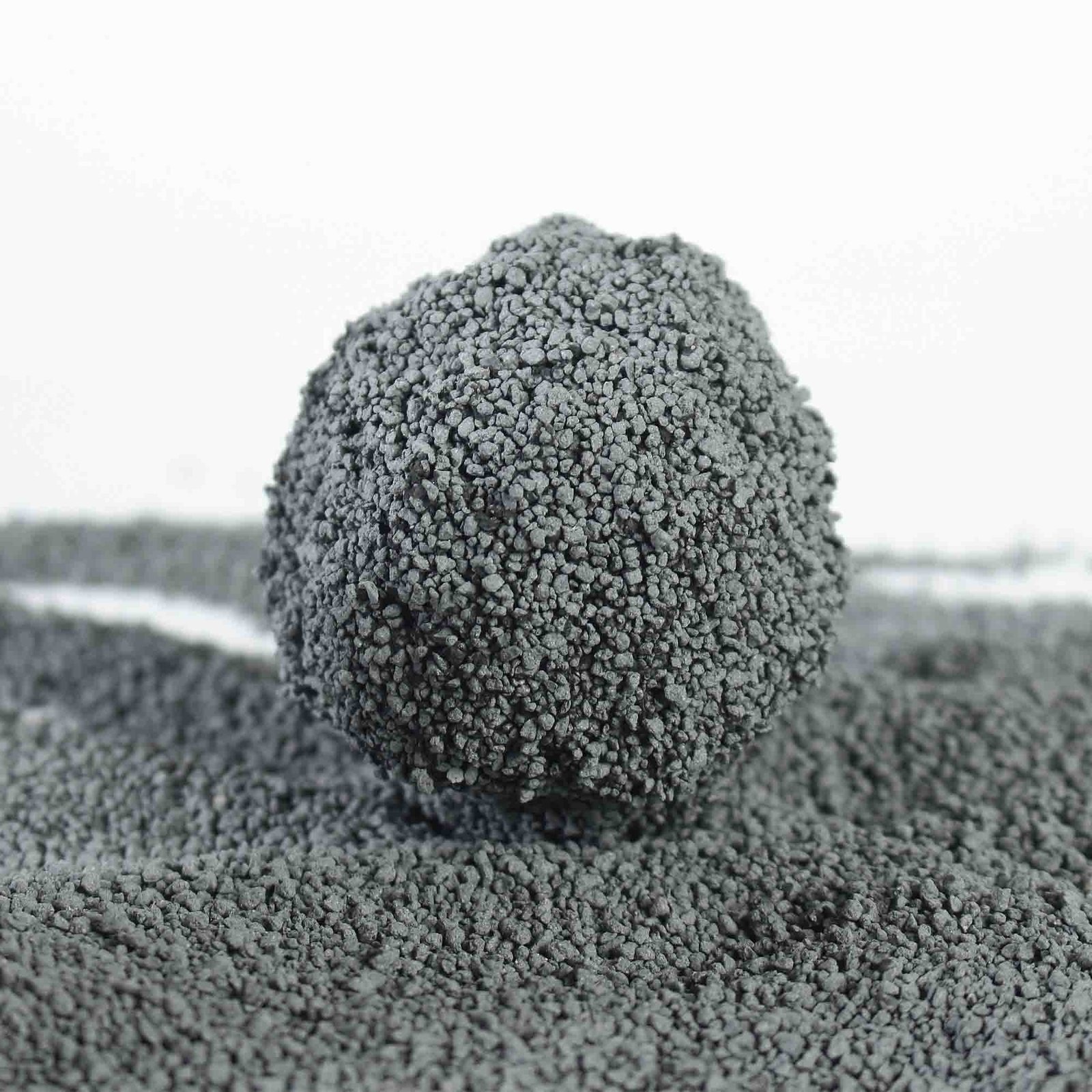
A cost-conscious charcoal bentonite formula with visible crushed carbon particles.
A mineral-mixed bentonite formula for buyers who want visible differentiation.
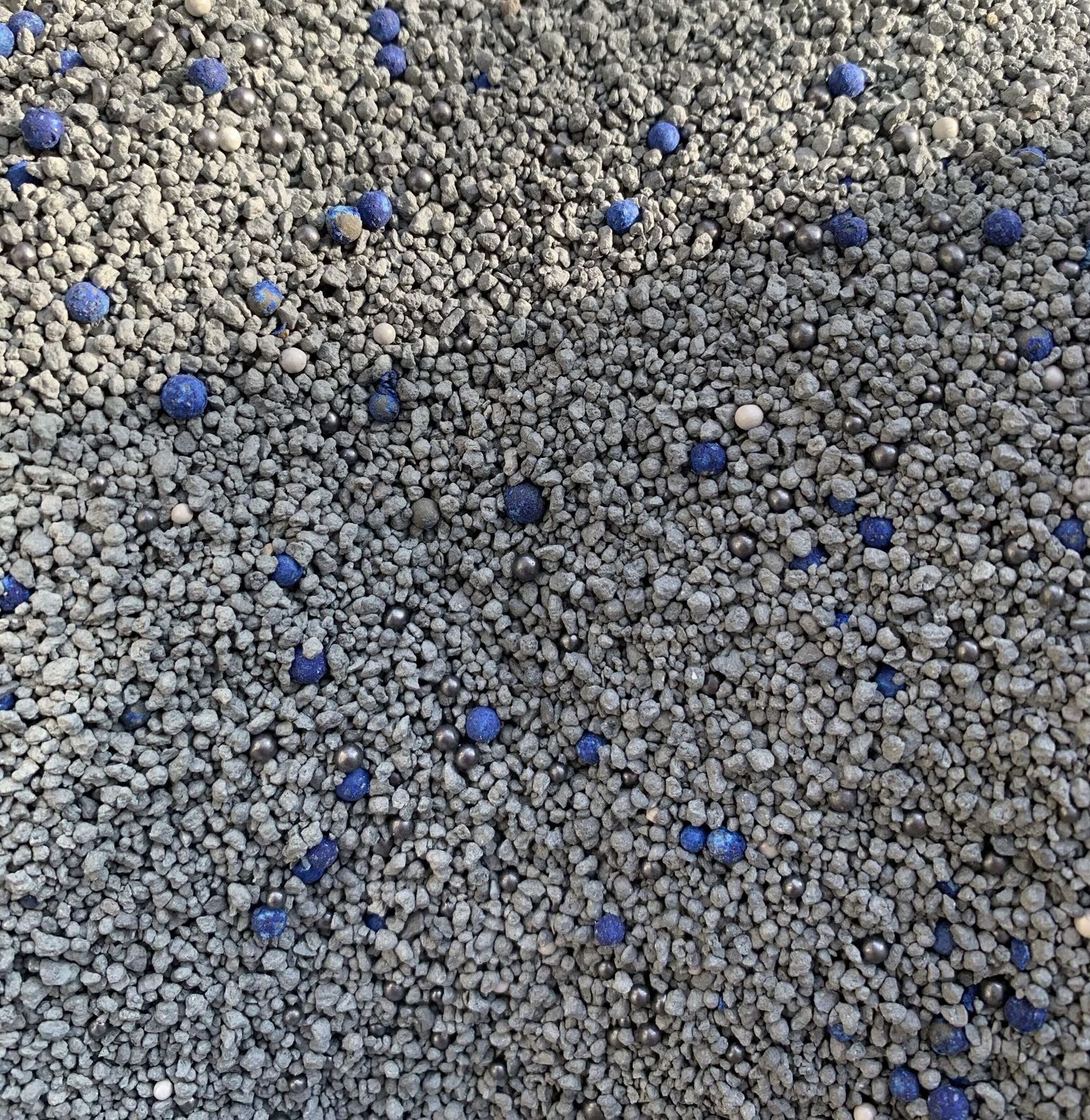
A premium formula direction with SAP, silver-ion particles, and carbon crystal balls.
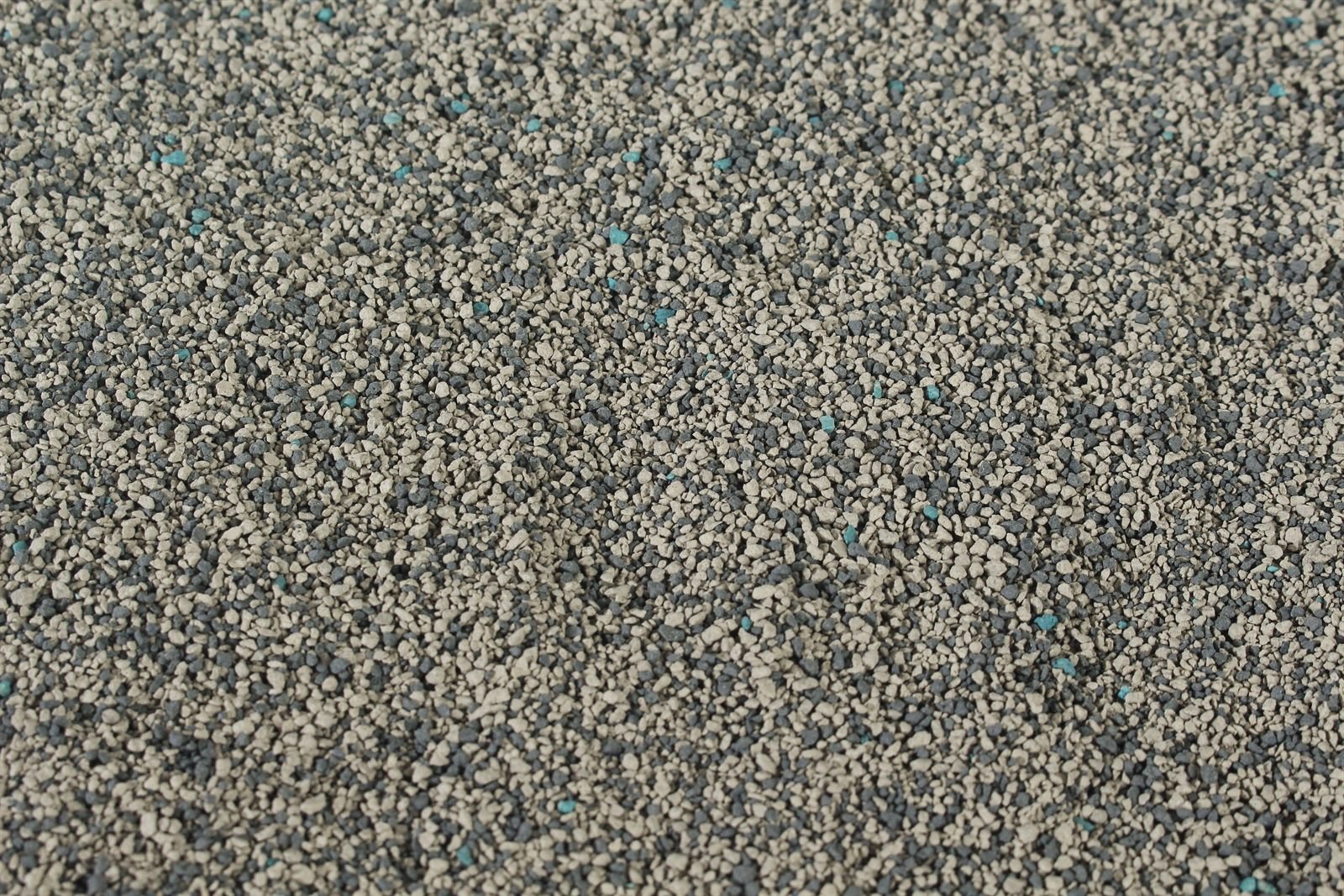
A mixed mineral and carbon formula for buyers looking for visible product differences.
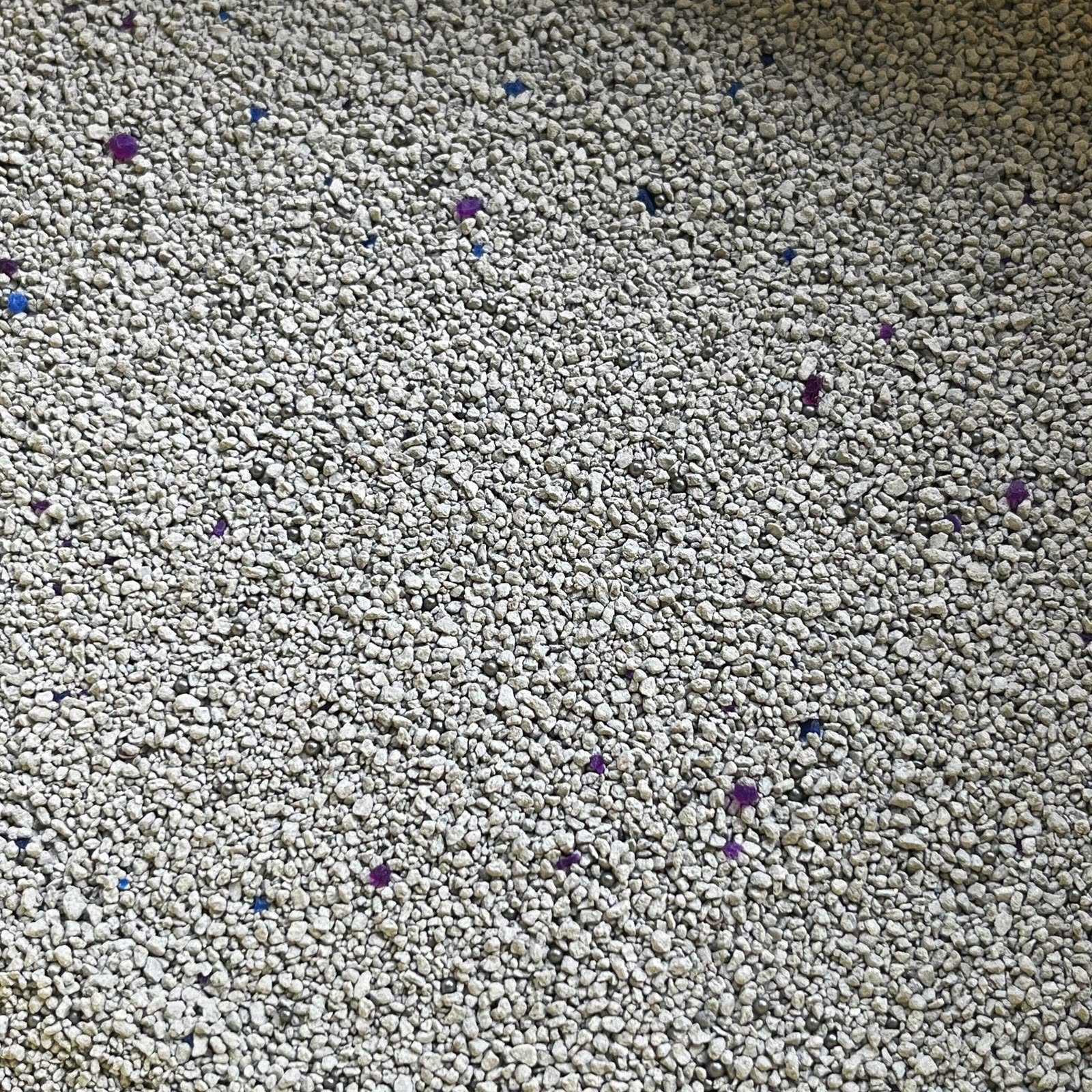
A mineral and carbon-ball formula direction for differentiated retail positioning.
| Deodorizing choice | Best use | What to avoid |
|---|---|---|
| Activated carbon granules | Standard odor-control bentonite formulas and private label upgrades | Exact deodorizing percentage claims without matching test data |
| Crushed carbon | Cost-conscious charcoal bentonite cat litter for wholesale or standard retail | Calling it dust-free by itself, because dust depends on the full formula |
| Carbon balls or carbon crystal balls | Premium visual formulas where buyers want a clean dark additive signal | Confusing it with silica crystal cat litter |
| Zeolite granules | Mineral odor-control positioning and visible formula differentiation | Medical or antibacterial claims without formula-specific proof |
| Colored odorless mixed particles | Visible formula differentiation for terminal-market product positioning | Treating colored particles as fragrance; fragrance is a separate formula choice |
| Unscented or low-scent bentonite | Sensitive-cat, premium, or low-fragrance market positioning | Using no additive while the base clumping and moisture control are weak |
Choose by odor direction and product positioning. For ammonia-style smell, compare activated carbon, crushed carbon, carbon balls, or zeolite. For formula differentiation, use odorless mixed particles or different bentonite blend ratios. Fragrance is a separate decision and can be added or avoided by market preference.
No. Fragrance can cover odor, but the base litter still needs fast absorption, firm clumping, low dust, and good moisture control. Otherwise wet litter remains in the box and the smell returns quickly.
Not in this guide. Charcoal cat litter here means bentonite cat litter mixed with activated carbon, crushed carbon, or carbon balls. It is still a bentonite clumping formula, not silica crystal litter.
Premium markets often prefer low dust, firm clumping, a clean visual additive such as carbon balls, carbon crystal balls, activated carbon, or zeolite, and a fragrance level chosen separately. The final choice should be confirmed by sample testing.
Yes. Buyers can send the target market, price level, granule size, additive direction, fragrance preference, bag size, and package style. LINGSHUAI can help combine different bentonite cat litter bases and mixed-additive ratios before bulk production.
Share your target market, package size, formula preference, and order volume. Our team will suggest suitable bentonite cat litter options for wholesale supply.
Send your formula, packaging, quantity, and destination details. We will reply with the next quotation step.